
Sun Pharma open to large acquisitions post Ranbaxy.
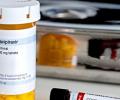
Favipiravir is the only oral anti-viral treatment approved in India for potential treatment of patients with mild to moderate Covid-19 disease.

Sun Pharma, which was fighting a takeover battle with Israeli pharma major Taro, on Wednesday said that the Supreme Court of Israel has given the ruling in favour of the company.
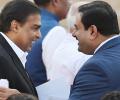
The collective wealth of the 100 richest went past $1 trillion for the first time.

Let us see why the pharma index is valued at a premium by the market and why some companies are valued higher than others.

Apollo HealthCo Ltd (AHL), a subsidiary of Apollo Hospitals Enterprise (AHEL), on Friday entered into a binding agreement to raise equity capital of Rs 2,475 crore from Advent International (Advent), one of the world's largest private equity (PE) players. The transaction will also see the merger of two units under Apollo Healthco - its wholesale pharma distribution unit Keimed Pvt Ltd and online healthcare business Apollo 24'7. The merger will take place in a phased manner over the next 24-30 months.

'The combination of star power, compelling storytelling, and action-packed drama promises to set the box office ablaze and kickstart the new quarter on a spectacular high note.'

NTPC, JSW Steel, Tata Motors, Bharti Airtel, Power Grid, Kotak Mahindra Bank and Tech Mahindra were also among the major gainers. Larsen & Toubro, Sun Pharma, Nestle, HDFC Bank and Maruti were among the laggards.
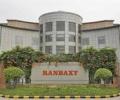
The group is looking into a new role for Ranbaxy CEO and MD Arun Sawhney.

The government on Thursday rolled out the internship programme on a pilot basis that will provide a total annual financial assistance of Rs 66,000 to those in the age group of 21-24 years, and aim to cover one crore youth over five years.
Worst performers among category funds, but beat sectoral indices

India's largest pharma companies by market capitalisation Sun Pharma, Dr Reddy's and Cipla have seen their share prices drop 5-20 per cent over the last two weeks on results that were below Street expectations.

Sun Pharma and Dr Reddy's top list in terms of those who face most class-action litigation
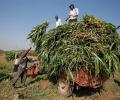
The World Bank on Tuesday raised the growth forecast for the Indian economy to 7 per cent for the current fiscal year on the back of recovery in agri sector and rural demand. World Bank had in June projected India to grow at 6.6 per cent for FY24. According to the World Bank Report released on Tuesday, India's growth continues to be strong despite a challenging global environment.

From the Sensex basket, Mahindra & Mahindra, Larsen & Toubro, JSW Steel, NTPC, IndusInd Bank, Sun Pharma, UltraTech Cement, State Bank of India, Reliance Industries, and Maruti were the major gainers. Nestle, Tata Consultancy Services, Axis Bank, ICICI Bank, Bajaj Finance, ITC, and Asian Paints were among the laggards.
The rupee's appreciation of 6.4 per cent against the dollar and 12 per cent against the euro is likely to hurt the first-quarter performance of the pharmaceutical sector, indicate a results' preview by broking houses.

'As the markets are expected to remain jittery in the near term, we advise investors to use this opportunity to enter quality largecaps from a long-term perspective.'

In a development that could hasten the entry of the generic version of Gleevec into the US market, Indian drug major Sun Pharma has sued Novartis Pharmaceuticals Corp in the District Court of New Jersey, demanding rights to launch a generic version of the cancer drug before the Novartis patent expires.

Severe price cuts help multinationals ramp up growth, gain market share.

The founders of Gland Pharma, led by Ravi Penmetsa, and KKR, together own 96 per cent of the company.
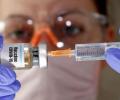
The Indian vaccine industry largely feels there are two ways in which vaccine innovation can be spurred - one, get a high price for the product and two, have the government buy a few hundred million doses of the product at a certain price.
Sun, Lupin, Cipla have fallen 9-15% but fundamental prospects remain unchanged as analysts expect 15-25% earnings growth

Gujarat has around 3,000 licensees for allopathic drug manufacturing, apart from around seven homeopathic licensees, 500 ayuvedic and 600-700 cosmetics licensees
With a view to boost the vibrant pharma industry in the state, Andhra Pradesh government plans to set up mini-pharma cities
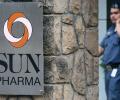
Bolstered by an impressive performance in the global specialty business and outstanding results in the Indian market, Sun Pharmaceutical Industries, the largest pharmaceutical (pharma) company in the country, showcased a strong performance in the July-September quarter (second quarter, or Q2) of 2023-24 (FY24).
Biocon is the only Asian company to be on the list.
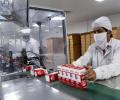
When compared to the domestic sales of April 2019, the growth is around 37 per cent. However, compared to the previous month (March), the growth is 18.4 per cent.
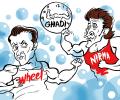
Nirma's tryst with the pharmaceutical space started in 2006 when it acquired the ailing Core Healthcare in a deal reported to be worth Rs 300 crore. The Ahmedabad-based manufacturer of intravenous fluids was subsequently renamed Nirlife. Pharma industry insiders say Nirma, which broke open the detergent market in the 1990s with low prices and massive advertising, tried an encore of the low-price strategy in pharma, but with mixed results.
Rupee appreciation has hit the pharma industry as exports for the financial year 2007-08 are estimated to rise a moderate 7 per cent against the targetted 30 per cent growth. Besides rupee appreciation, the dent in exports due to pricing pressure in the US, where a lot of products have gone off patent recently, also affected the exports.
Mohit Burman, the youngest among the newly appointed corporate heads among Dabur businesses, is known to have a penchant for acquisitions.

A sharp rise can be attributed to the significant changes in India's share buyback tax regime, which will come into effect from October 1, 2024.
PharmEasy has acquired Medlife for an undisclosed amount, the e-pharmacy unicorn said on Tuesday. The deal will make PharmEasy the largest player in the domestic online pharmacy sector, with the combined entity set to serve 2 million customers a month.

From the Sensex basket, Bharti Airtel, Nestle, Maruti, Tata Motors, HCL Technologies, NTPC, Asian Paints and State Bank of India were the major gainers. Sun Pharma, Reliance Industries, Mahindra & Mahindra, JSW Steel, Tech Mahindra and Bajaj Finance were among the laggards.

Among the index heavyweights, Reliance Industries ended down 1.9% while mortage lender HDFC eased 0.2%. FMCG major ITC ended down 1.3%.

From the Sensex firms, Power Grid, NTPC, Tech Mahindra, Bharti Airtel, Tata Motors, IndusInd Bank, Reliance Industries, Kotak Mahindra Bank and Maruti were among the laggards. Asian Paints, Wipro, JSW Steel, Hindustan Unilever, Bajaj Finserv and Mahindra & Mahindra were among the biggest gainers.

Atishi alleged that the BJP received "proceeds of crime" in its bank accounts
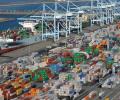
After remaining in the positive zone for three months, India's exports contracted 1.2 per cent to $33.98 billion in July, while the trade deficit widened to $23.5 billion.

Pharma major Dr Reddy's Laboratories has opposed the parliamentary Standing committee's recommendations of increasing the number of drugs under price control and cap on profit margins of all medicines.
